Expert Tips to finding authentic certified tea
Explore the Universe of Fair Trade Tea: Superior Brews That Champion Sustainable Practices
Fair Trade tea illustrates a harmonious fusion of merit and values. Each cup offers a unique flavor profile while nurturing sustainable farming practices. This avenue not only advances the tea experience but also lifts underserved farming communities. Acknowledging its heritage and certification processes brings to light deeper layers of weight. As individuals become more deliberate about their options, the impact of Fair Trade tea moves further than flavor profile. What supports the veneer of these determinations?
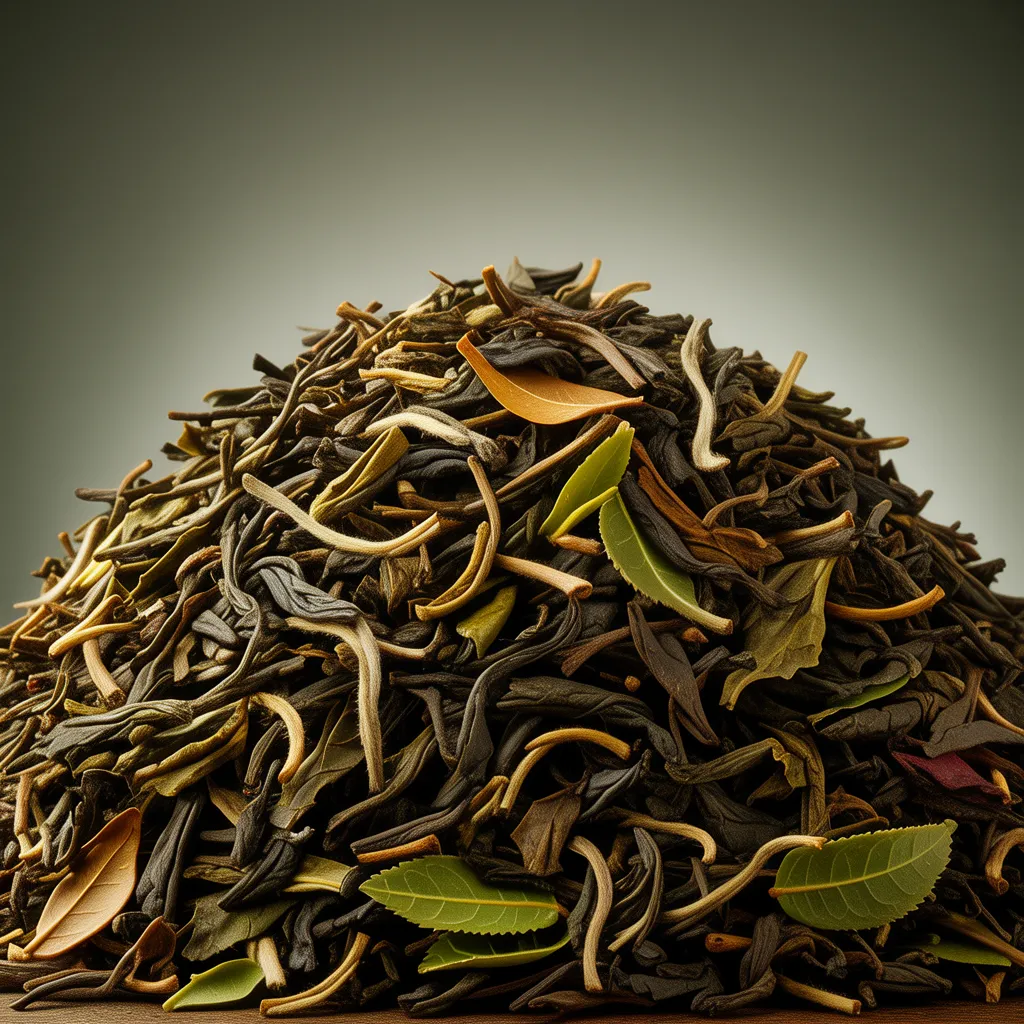
Discover the Origins of Fair Trade Tea
Fair Trade tea is rooted in the socioeconomic movements aimed at strengthen the livelihoods of marginalized farmers. Surfacing in the waning years of the 1900s, this scheme endeavored to address imbalances in worldwide trade, chiefly in developing countries where tea is frequently harvested. The movement gained traction as consumers became increasingly mindful study of the harsh truths confronted by independent cultivators, including unjust pricing and abuse by major conglomerates.
Through cooperative structures, Fair Trade worked to strengthen these farmers, ensuring they obtained fair payment and support for sustainable farming practices. The movement also focused on advancing environmental responsibility, promoting organic farming and biodiversity. As knowledge grew, Fair Trade tea became a representation of ethical consumption, connecting consumers directly with the origins of their beverages. By choosing Fair Trade tea, individuals add to a larger vision of social justice and economic equity, creating a more sustainable future for tea-growing communities.
Explore fair commerce standards for sustainable initiatives
Grasping Fair Trade certification is fundamental to recognizing how sustainable practices are sustained within the tea industry. This certification pledges that producers receive fair wages and work under safe conditions, which directly helps community development. Fair Trade standards support environmentally sustainable farming methods, reducing the use of harmful chemicals and encouraging biodiversity.
Certification encourages transparency in the distribution network, allowing customers to trace their tea back to its source. By adhering to these guidelines, farms engage in methods that safeguard environmental assets and support local ecosystems. Additionally, Fair Trade groups often provide learning materials and instruction to agricultural producers, enabling them to enhance their farming techniques and economic stability.
In the final analysis, Fair Trade certification improves the quality of tea while synchronizing purchasing choices with ethical and sustainable beliefs, establishing it as an essential aspect of the tea industry's devotion to societal responsibility and ecological stewardship.
Explore Leading Varieties of Fair Trade Tea
While many tea devotees relish the rich flavors and aromas of various brews, examining the top varieties of Fair Trade tea shows a deeper pledge to fair practices and ecological responsibility. Some popular options comprise Fair Trade Assam, noted for its powerful, malted character, and Fair Trade Darjeeling, often known as the "Champagne of teas" for its delicate floral notes. Another remarkable variety is Fair Trade Earl Grey, combined with bergamot, delivering a distinctive orange essence.
Furthermore, Fair Trade Green Tea, renowned for its energizing qualities and health benefits, is increasingly favored among health-conscious consumers. Herbal blends, such as Fair Trade Chamomile and Peppermint, also excel, providing soothing and calming effects. Each of these varieties not only delivers exceptional flavor but also helps farmers and communities working for better livelihoods, making them a responsible choice for tea lovers seeking quality and ethical assurance.
Brewing Fair Trade Tea: Guidelines for a Perfect Cup
To brew the ultimate cup of Fair Trade tea, focus is crucial, since the proper procedures can improve the tea's individual flavors and aromas. Initially, the quality of water is key; using purified water ensures a pure flavor that allows the tea's characteristics to shine. The water temperature is also vital; tea types demand particular heat levels; black tea requires boiling water and a lower temperature works for green or herbal tea types.
Then, the infusion time should be strictly observed. Oversteeping can produce bitterness, while brief steeping may not unlock the entire flavor range. A typical suggestion is 3-5 minutes for black tea and 2-3 minutes for green tea.
Ultimately, applying the right tea-to-water ratio boosts the flavor; one teaspoon of loose tea per cup is a excellent beginning. By implementing these recommendations, tea enthusiasts can fully appreciate the rich offerings of Fair Trade tea.
Environmental Gains of Fair Trade Tea
Brewing Fair Trade tea not only enhances the tea experience but also promotes eco-friendly farming methods that benefit the ecosystem. Fair Trade accreditation motivates farmers to use natural cultivation techniques, which minimize the reliance on damaging chemicals and synthetic inputs. This approach promotes biodiversity, helping to preserve local habitats and safeguard wildlife habitats.
Additionally, Fair Trade methods often emphasize soil health and water preservation, ensuring that tea cultivation does not deplete essential resources. By supporting small-scale farmers, Fair Trade also cultivates agroforestry, which combines tea cultivation with other crops and trees, further strengthening environmental resilience.
Furthermore, Fair Trade tea typically incorporates environmentally friendly packaging and transportation methods, lowering the carbon footprint associated with its delivery. Ultimately, selecting Fair Trade tea represents a conscious effort to foster a increasingly eco-friendly agricultural system that respects both the Earth and its inhabitants.

How Your Choice of Tea Strengthens Global Communities
Selecting Fair Trade tea strengthens worldwide societies by providing farmers with fair wages and improved labor standards. This commitment ensures that tea producers can maintain their livelihoods while investing in their loved ones and local economies. By buying Fair Trade tea, consumers contribute to the growth of essential community services, such as schooling and healthcare.
Fair Trade certification promotes responsible conduct, demanding businesses to follow guidelines that emphasize employee protections and ecological responsibility. As a result, farmers are motivated to cultivate premium tea, which not just enhances their income but also fosters pride in their craft.
In addition, the face-to-face trade networks instituted through Fair Trade bypass exploitative middlemen, allowing farmers to contact with end-users worldwide. This transparency cultivates trust and encourages a global valuation for the cultural significance of tea. Ultimately, each cup of Fair Trade tea functions as a emblem of the positive impact individuals can have on global communities through mindful consumption.
Frequently Common Questions
What Approaches Should I Use to Identify Fair Trade Tea Products Available in Stores?
To identify fair trade tea products in stores, one should seek out certified marks, such as Fair Trade Certified or Rainforest Alliance. Additionally, researching brands committed to responsible practices can help with making informed choices.
What Health Benefits Are Linked to Fair Trade Tea?
Fair trade tea may provide multiple wellness advantages, including antioxidants that promote heart health, better digestive function, and increased mental sharpness. Furthermore, responsible sourcing methods support environmentally conscious farming, ultimately benefiting a healthier environment and community well-being.
How Can I Locate Ethically Sourced Tea in Digital Shopping Platforms?
Yes, ethically sourced tea is widely available in internet retailers. Many stores provide a variety of brands and blends, ensuring customers can conveniently obtain ethically sourced options that promote both sustainability and ethical working conditions.
What Influence Does Fair Trade Tea Have in Regional Economic Growth?
Fair trade tea beneficially affects local economies by offering farmers equitable compensation, supporting community growth, and encouraging sustainable farming practices. This assistance enhances livelihoods, strengthens financial security, and enables communities to allocate resources toward education and healthcare.
How Can I Store Fair Trade Tea to Maintain Optimal Freshness?
To boost quality, fair trade tea should be stored in an airtight container, protected from strong odors, moisture, and light. Maintaining it in a dark, cool location helps preserve its aroma and flavor over time.